What is Bitcoin?
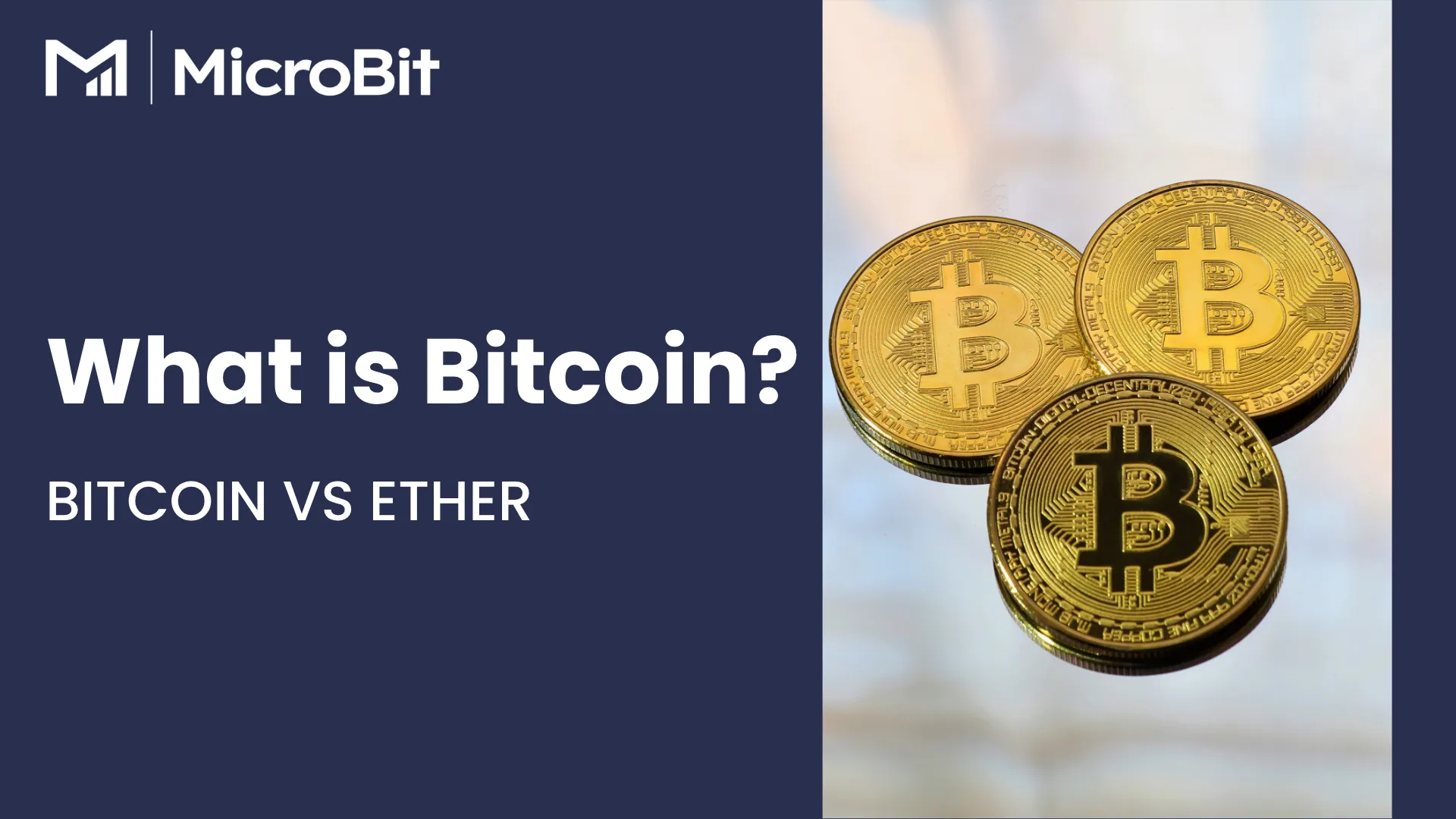
Bitcoin (BTC), launched in 2009 by the pseudonymous creator Satoshi Nakamoto, is the first decentralized cryptocurrency designed for peer-to-peer transactions and value storage. Built on blockchain technology, it operates on a Proof-of-Work (PoW) consensus mechanism to validate transactions, maintain security, and regulate new coin creation—ensuring decentralization and resistance to censorship. As the leading cryptocurrency by market capitalization, Bitcoin can be acquired through mining or purchased on digital asset exchanges.
The relationship between Bitcoin and blockchain technology
Bitcoin operates on a decentralized public ledger known as the blockchain, which records all transactions and governs the issuance of new coins. Unlike traditional financial systems, Bitcoin functions without reliance on centralized institutions, instead relying on a peer-to-peer network and a consensus mechanism to validate and manage transactions autonomously. This structure ensures transparency, security, and resistance to censorship.
How do I store Bitcoin?
Bitcoin can be stored in three primary ways:
- Storing directly on a cryptocurrency exchange
For beginners, keeping Bitcoin on a reputable cryptocurrency exchange offers the simplest solution, providing easy access for trading. However, this convenience comes with risks—exchanges may be vulnerable to hacking or bankruptcy, potentially leading to loss of funds. The actual risk level depends on the exchange’s regulatory compliance, security protocols, and user protection measures. - Hot Wallet
A hot wallet is a software-based cryptocurrency wallet that remains connected to the internet, such as desktop, mobile, or web-based wallets. Its primary advantage is convenience, allowing users to easily send, receive, and trade Bitcoin at any time. However, because hot wallets generate, store, and use private keys online, they are more vulnerable to hacking, phishing, and other cyber threats compared to offline storage methods. - Cold Wallet
A cold wallet stores cryptocurrency private keys on offline devices—such as hardware wallets (e.g., USB devices) or even paper wallets, where keys are handwritten or printed. Since the private keys remain completely disconnected from the internet, cold wallets eliminate the risk of hacking and cyberattacks. However, this enhanced security comes with trade-offs: transferring assets is less convenient, and losing the physical device or paper backup may result in permanent loss of access to the funds.
Compare Bitcoin and Ether
|
|
Bitcoin, BTC |
Ether, ETH |
|---|---|---|
|
Creation time |
2009 |
2015 (Ethereum platform launch) |
|
Key use |
Digital currency, store of value and peer-to-peer Payments |
Payment of Ethereum network transaction and smart contract execution fees |
|
Total supply cap |
21 million tokens, with a fixed and unchangeable supply. |
No fixed cap; supply fluctuates. |
|
Technical foundation |
|
|
|
Supply trend |
Gradually stabilizing, particularly as increased long-term holdings reduce circulating supply |
Supply is more flexible due to staking and burning mechanism |
|
Smart contract |
Unsupported |
Supported, allowing automatic execution of contract terms |
|
Ecosystems |
Mainly as currency and value storage |
Support for decentralized applications (DApps), DeFi, NFTs, etc. |
|
Market Position |
The largest cryptocurrency by market capitalization |
The second-largest cryptocurrency by market capitalization |
—
Disclaimers
Investment involves risk, including possible loss of principal. Past performance does not represent future performance. The information contained herein is for informational purposes only and does not constitute an offer or invitation to anyone to invest in any funds and has not been prepared in connection with any such offer. The material has been prepared and issued by MicroBit Capital Management Limited. This material has not been reviewed by the Securities and Futures Commission.