What is Cryptocurrency?
Cryptocurrency is a digital or virtual form of currency that relies on cryptographic techniques to secure transactions and regulate the creation of new units. Unlike traditional money, it has no physical form and operates entirely in the digital realm. Most cryptocurrencies are built on blockchain technology — a decentralized, distributed ledger system that records all transactions across a global network of nodes. This structure eliminates the need for central authority, such as a bank or government, ensuring transparency and security.
The core features of cryptocurrencies include:
Decentralization: Unlike traditional financial systems controlled by centralized institutions (e.g. banks or governments), cryptocurrencies operate on a decentralized framework. Transactions are secured and verified through blockchain technology and consensus mechanisms, eliminating the need for a central authority while ensuring transparency and trust.
Security: Cryptocurrencies employ advanced cryptographic techniques (including digital signatures and hash functions), to ensure transaction authenticity and protect against fraud or tampering.
Public and tamper-proof transaction records: All transactions are permanently recorded on the public blockchain, ensuring full transparency—anyone can verify them. However, once validated, transactions cannot be altered or deleted, guaranteeing data integrity and security.
Creation of new units: New cryptocurrency units are typically generated through mining or alternative consensus mechanism. This process requires participants to solve computationally intensive cryptographic challenges, with successful validators receiving newly minted coins as rewards.
Bitcoin, launched in 2009 by the pseudonymous Satoshi Nakamoto, pioneered the concept of decentralized digital currency. This innovation sparked the creation of numerous alternative cryptocurrencies (altcoins) including Ether (ETH), XRP, and Tether (USDT), each with unique functionalities and use cases.
Unlike traditional fiat currencies, cryptocurrencies operate free from government or financial institution control, offering borderless transactions, transparent operations, and resistance to manipulation. These digital assets enable diverse applications including cross-border payments, online transactions, and decentralized finance (DeFi) ecosystems.
Fundamentally, cryptocurrencies represent a new form of digital money secured by cryptography and blockchain technology. By decentralizing both transaction verification and currency issuance, they are fundamentally transforming conventional financial and payment systems.
How does cryptocurrency work?
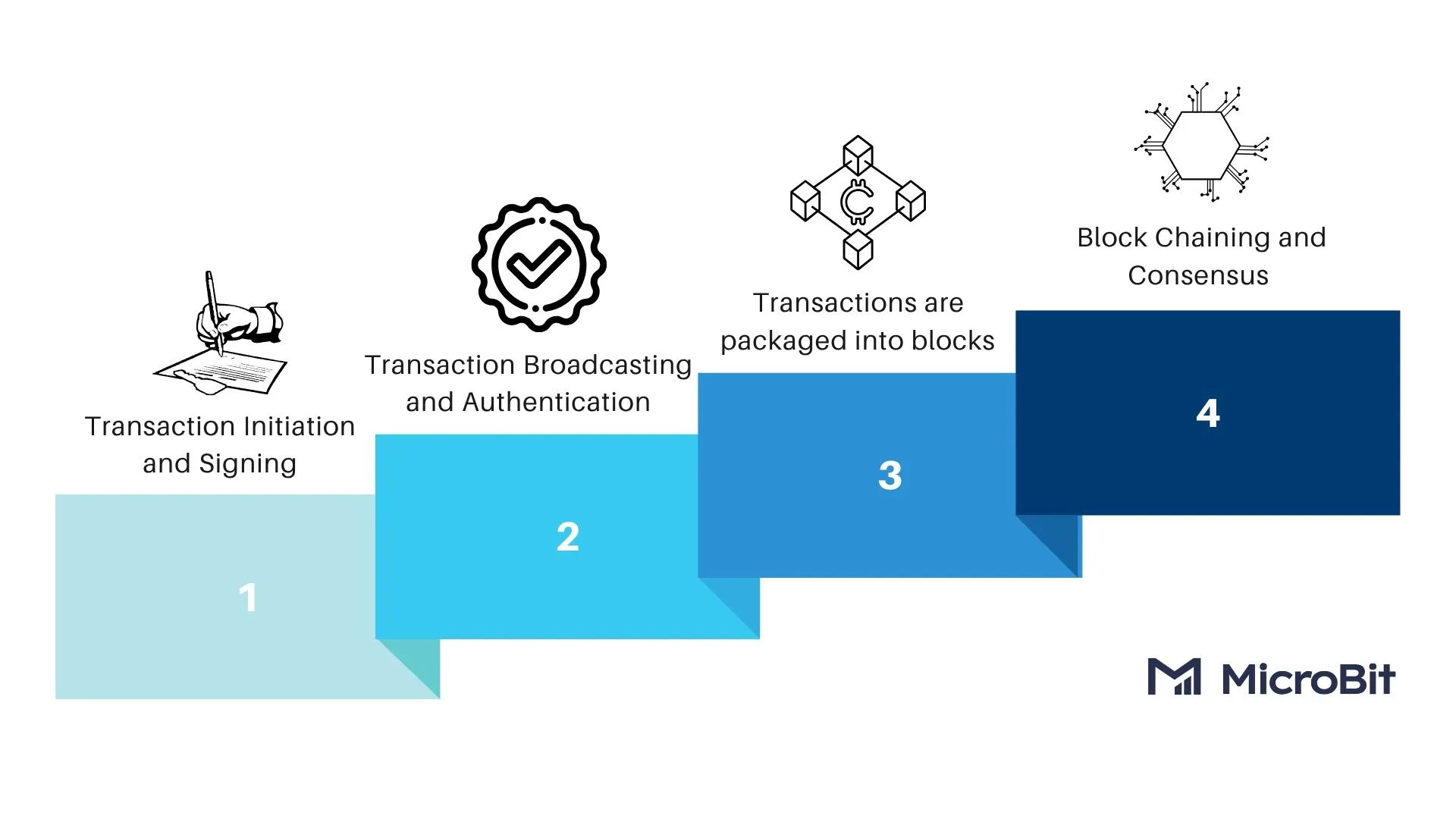
The operation of cryptocurrencies primarily relies on blockchain technology and cryptography, with the specific process as follows:
1. Transaction Initiation and Signing
To execute a cryptocurrency transfer, such as sending Bitcoin, a user initiates the transaction through a digital wallet. The wallet cryptographically signs the transaction with the sender's private key, providing secure authorization and verifying ownership of the funds.
2. Transaction Broadcasting and Authentication
Once digitally signed, the transaction is broadcast across the blockchain network to decentralized nodes for validation. Each blockchain network employs its own consensus mechanism to verify transactions according to protocol rules, ensuring the sender has sufficient funds and validating the cryptographic signature's authenticity.
3. Transactions are packaged into blocks
Validated transactions are grouped into blocks by miners or validators. To establish the block's cryptographic integrity, miners must solve computationally intensive puzzles (such as Proof-of-Work algorithms) that mathematically link the new block to the existing chain.
4. Block Chaining and Consensus
Once validated by network consensus, new blocks are appended to the blockchain in chronological order, creating an immutable and publicly verifiable record of all transactions. This chained structure ensures data integrity and permanent transparency across the decentralized ledger.
The operation of cryptocurrencies involves blockchain technology and mining mechanisms:
Blockchain Technology
The blockchain operates through a globally distributed network of nodes, eliminating reliance on centralized authorities. This decentralized architecture prevents single points of failure and resists tampering, enabling secure, transparent, and trustless management of virtual assets. Advanced cryptographic mechanisms safeguard transaction integrity and protect user holdings throughout the process.
Mining Mechanism (New Coin Generation)
Cryptocurrency mining is the process by which miners use computational power to solve cryptographic puzzles, validating transactions and appending new blocks to the blockchain. This mechanism ensures network security, processes transactions, and controls new coin issuance. Successful miners earn rewards in newly generated cryptocurrency (block rewards) and transaction fees, incentivizing participation while maintaining decentralized consensus.
Investment involves risk, including possible loss of principal. Past performance does not represent future performance. The information contained herein is for informational purposes only and does not constitute an offer or invitation to anyone to invest in any funds and has not been prepared in connection with any such offer. The material has been prepared and issued by MicroBit Capital Management Limited. This material has not been reviewed by the Securities and Futures Commission.